

How to Choose the Perfect Homesite for Your Dream Home
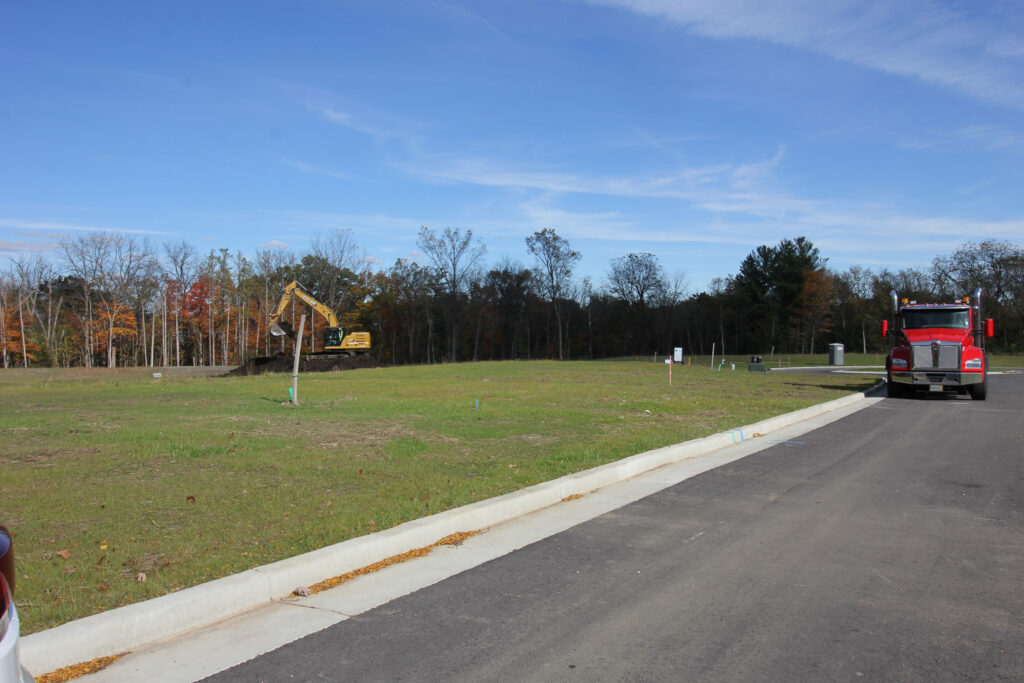
Building a custom home gives you the opportunity to create a space designed around the way you live. But before you choose countertops, flooring, or floor plans, there is another important decision to make: where your home will be built.
The right homesite can have a major impact on your home’s layout, natural light, privacy, views, landscaping, and even construction costs. Taking the time to evaluate a property before purchasing it can help ensure your homesite works with your vision rather than limiting it.
Here are some of the most important factors to consider when choosing the perfect homesite for your custom home.
1. Think About Location First
You’ve probably heard the saying “location, location, location,” and it applies just as much to custom home building as it does to real estate.
Consider how the property fits into your everyday life. Think about:
- Commute times
- Nearby shopping and restaurants
- Parks and recreation
- Schools
- Healthcare
- Major roads and highways
- Future development in the area
A beautiful homesite may seem perfect, but if getting to work, school, or everyday activities becomes inconvenient, you may not enjoy the location as much as you expected.
2. Understand the Lot’s Size and Shape
Not all lots are created equal. Two properties with similar square footage can have very different building possibilities depending on their shape, frontage, setbacks, and usable space.
Before purchasing a lot, determine:
- The total lot size
- Property boundaries
- Required setbacks
- Building restrictions
- Easements
- Driveway access
- Available space for your desired home and outdoor areas
A custom builder can help you determine whether the lot can realistically accommodate the home you have in mind.
3. Pay Attention to the Topography
The shape and slope of the land can significantly affect your home’s design and construction requirements.
A level lot may offer a simpler building process, while a sloped lot could create opportunities for features such as walkout basements, elevated views, or unique landscaping. However, challenging terrain may also require additional grading, excavation, drainage work, or retaining walls.
Understanding the property’s topography before purchasing it can help you anticipate potential construction considerations.
4. Consider Sunlight and Orientation
The direction your lot faces can influence how natural light enters your home throughout the day.
Think about where you would like to have morning and afternoon sunlight. You may want a bright kitchen in the morning, natural light in a home office, or a backyard that receives plenty of afternoon sun.
The home’s orientation can also influence outdoor living spaces, windows, patios, and decks.
When choosing a homesite, don’t just look at the property itself. Imagine where your home will sit and how it will interact with the sun throughout the year.
5. Look at the Surrounding Views
One of the advantages of building a custom home is being able to design the home around its surroundings.
If your homesite overlooks a pond, wooded area, open field, or other scenic landscape, think about how you can incorporate those views into the home’s design.
Large windows, strategically placed rooms, covered outdoor spaces, and expansive patios can all help take advantage of the property.
At the same time, consider what your neighbors may eventually see from your home. A property that looks open today could change as nearby lots are developed.
6. Consider Privacy
Privacy is another important factor that can influence how comfortable you feel in your new home.
Look at neighboring properties, existing trees, road traffic, and surrounding development. Consider where your bedrooms, living areas, outdoor spaces, and windows would be positioned.
A wooded lot may provide natural privacy, while a more open property may require landscaping, fencing, or thoughtful home placement to create the level of privacy you want.
7. Research Utilities and Site Costs
The purchase price of a lot isn’t necessarily the total cost of preparing it for construction.
Depending on the property, you may need to account for:
| Site Consideration | Potential Impact |
|---|---|
| Sewer and water | Connection or installation costs |
| Electrical | Service connection and infrastructure |
| Gas | Availability and connection requirements |
| Grading | Preparing the property for construction |
| Excavation | Foundation and basement requirements |
| Drainage | Managing water around the property |
| Driveway | Installation and site access |
| Landscaping | Trees, retaining walls, grading, and other improvements |
Understanding these expenses early can help you create a more accurate overall budget for your custom home.
8. Check Local Building Restrictions
Before purchasing a homesite, research any restrictions that could affect your plans.
Some neighborhoods and communities have requirements regarding home size, exterior materials, architectural styles, setbacks, garages, landscaping, or other features.
There may also be homeowners association rules or municipal requirements that need to be considered.
Knowing these restrictions in advance can help you avoid falling in love with a lot that ultimately cannot accommodate the home you want to build.
9. Think About Your Future Home’s Design
Your homesite and home design should work together.
Instead of choosing a lot first and figuring out the home afterward, consider how your ideal floor plan might fit on the property. Think about where you want your garage, driveway, main entrance, backyard, outdoor living areas, and major windows.
For example, a lot with a significant slope might be ideal for a walkout lower level, while a wide, relatively flat lot may be better suited for a sprawling ranch-style home.
A custom home builder can help evaluate the relationship between the lot and your desired home design before you commit.
10. Visit the Property More Than Once
A homesite can look very different depending on the time of day and season.
If possible, visit the property at different times to observe:
- Traffic and road noise
- Sunlight
- Neighbor activity
- Drainage after rain
- Views
- Privacy
- Wind exposure
- Overall surroundings
Taking a second or third look can reveal details you might not notice during your first visit.
Choose Your Homesite With the Big Picture in Mind
Choosing the right homesite is one of the first major decisions you’ll make when building a custom home. The property you choose will influence everything from the home’s orientation and floor plan to outdoor living spaces, landscaping, privacy, and construction costs.
The best homesite isn’t necessarily the largest or most expensive property. It’s the one that works with your vision and gives your custom home the foundation it needs to fit your lifestyle.
Thinking about building a custom home?
Start by evaluating the homesite alongside your home plans. Working with an experienced custom home builder early in the process can help you understand the opportunities and challenges of a property before construction begins, giving you greater confidence in your investment.