

Designing for Indoor-Outdoor Living
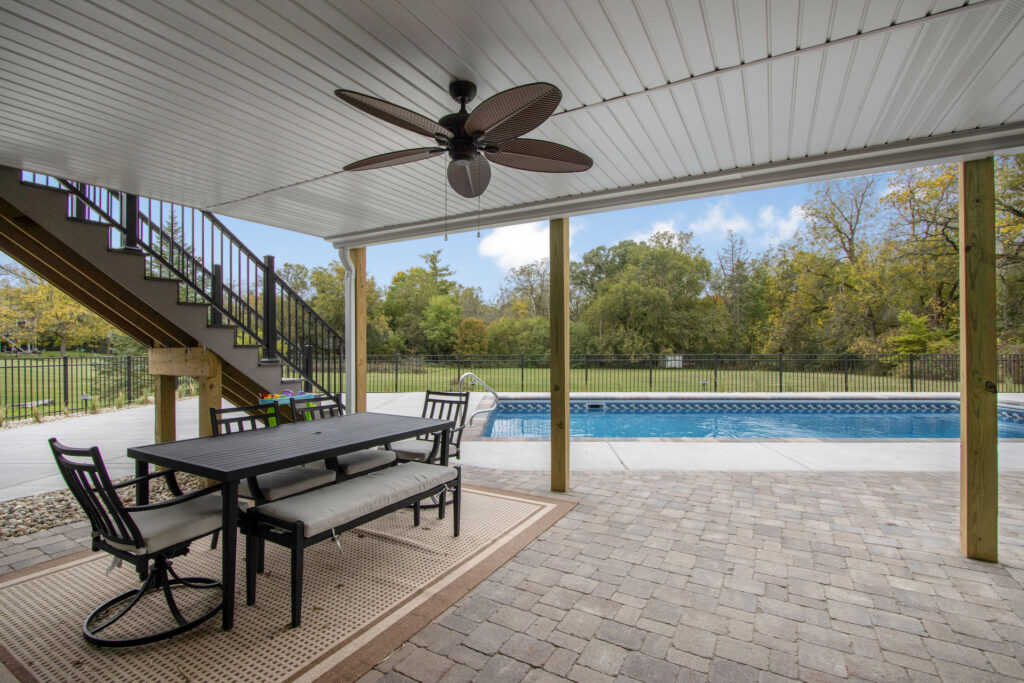
Designing for Indoor-Outdoor Living
Modern custom homes are no longer designed around just interior square footage. Today, one of the most requested design features is seamless indoor-outdoor living—spaces that connect the comfort of the home with the openness of the outdoors.
Whether it’s a backyard patio, covered porch, screened-in room, or full outdoor kitchen, the goal is the same: create a natural flow between inside and outside so the home feels larger, more functional, and more enjoyable year-round.
Why Indoor-Outdoor Living Matters
Indoor-outdoor design isn’t just about aesthetics—it’s about how you actually live in your home.
When done well, it can:
- Expand usable living space without adding full interior square footage
- Improve natural light and ventilation
- Create better spaces for entertaining
- Strengthen connection to nature
- Increase overall home value and appeal
For many homeowners, these spaces become the most-used areas of the home during warmer months.
Start with a Strong Connection Point
The most important part of indoor-outdoor design is the transition between the two spaces.
Common connection points include:
- Kitchen sliding or folding glass doors opening to a patio
- Great rooms that flow directly to covered outdoor seating
- Dining areas that extend into screened porches
- Lower-level walkouts that connect to backyard living spaces
Large openings, such as multi-panel sliding doors or accordion glass walls, help eliminate the barrier between inside and outside, creating a more unified living experience.
Design Outdoor Spaces Like Interior Rooms
One of the biggest shifts in modern home design is treating outdoor spaces with the same level of detail as interior rooms.
Instead of just a patio with furniture, consider defining zones such as:
- Outdoor living rooms with seating and fireplaces
- Dining areas with built-in grills or outdoor kitchens
- Relaxation spaces with lounge seating or fire pits
- Covered areas for shade and weather protection
When outdoor spaces are thoughtfully designed, they become true extensions of the home rather than separate areas.
Covered Spaces Extend Usability
Weather is always a factor, especially in climates with seasonal changes.
Covered patios, porches, and three-season rooms help extend the usability of outdoor spaces by providing protection from sun, rain, and wind.
Popular options include:
- Roof extensions from the main structure
- Screened-in porches for bug-free comfort
- Three-season rooms with retractable panels
- Pergolas for partial shade and style
These features allow homeowners to enjoy outdoor living more consistently throughout the year.
Prioritize Flow from Key Interior Spaces
Not every room needs to connect directly to the outdoors, but strategic placement makes a big difference.
The most effective layouts typically connect outdoor spaces to:
- Kitchens for cooking and entertaining ease
- Living rooms or great rooms for social flow
- Dining areas for indoor-outdoor meals
- Basements or lower levels for walkout patios or entertainment zones
This intentional flow encourages daily use rather than occasional use.
Outdoor Kitchens and Entertaining Spaces
Outdoor kitchens have become one of the most popular custom home features for good reason—they make entertaining easier and more enjoyable.
Depending on the design, they may include:
- Built-in grills and cooking stations
- Prep counters and storage
- Outdoor refrigerators or beverage centers
- Bar seating or serving areas
- Integrated lighting and sound systems
A well-designed outdoor kitchen reduces trips inside and keeps gatherings centered in one cohesive space.
Bring the Outdoors In with Natural Light
Indoor-outdoor living isn’t just about exterior spaces—it also depends on how much the interior connects visually to the outside.
Key design elements include:
- Large windows with backyard views
- Glass doors that frame outdoor spaces
- Vaulted ceilings that enhance openness
- Consistent flooring transitions where appropriate
- Neutral interior palettes that complement natural surroundings
Even when doors are closed, the visual connection keeps spaces feeling open and connected.
Create Year-Round Flexibility
The best indoor-outdoor spaces are designed for all seasons, not just summer.
To improve year-round usability, consider:
- Outdoor fireplaces or fire pits for cooler months
- Ceiling fans for air circulation in summer
- Radiant heaters or infrared heating elements
- Retractable screens or enclosures
- Durable, weather-resistant materials
This flexibility ensures the space remains functional no matter the time of year.
Materials Matter More Than You Think
Outdoor environments require materials that can handle moisture, temperature changes, and sunlight exposure.
Common choices include:
- Composite decking for durability and low maintenance
- Natural stone or pavers for patios and walkways
- Exterior-rated wood or aluminum for structural elements
- Weather-resistant fabrics for cushions and seating
Choosing the right materials ensures your outdoor spaces remain beautiful and functional over time.
Designing a Cohesive Look Between Spaces
A successful indoor-outdoor design feels unified, not like two separate projects.
Consistency can be achieved through:
- Matching or complementary color palettes
- Similar architectural details and trim styles
- Coordinated lighting fixtures
- Repeated textures such as stone, wood, and metal accents
- Smooth transitions between flooring and thresholds
This cohesion makes the entire home feel intentionally designed from end to end.
Work with a Custom Builder Who Understands Flow and Function
Indoor-outdoor living requires more than just adding a patio or larger doors. It takes careful planning to ensure structure, layout, drainage, and design all work together seamlessly.
At J&J Custom Homes, we design homes that prioritize how people actually live—inside and out. From open-concept interiors that connect to outdoor living spaces to fully integrated patios, porches, and entertainment areas, we focus on creating homes that feel natural, functional, and timeless.
When indoor and outdoor spaces work together, your home doesn’t just gain square footage—it gains a completely new way of living.